𐤕𐤓𐤅𐤏𐤄
תְּרוּעָה
תְּרוּעָה
And Yahuah spoke to Musha, saying, “Speak to the people of Yasharal (Israel), saying, In the seventh (7th) month, on the first (1st) day of the month, you shall observe a day of solemn rest, a memorialH2146 of shouting/trumpets (8643. teruah Shout, blast, alarm, sound of a trumpet), a Qudesh (holy) Gathering (convocation). You shall not do any ordinary work, and you shall present an offering made by fire to Yahuah.”
Leviticus 23:23–25
01The Day of Blowing
Yom Teruah, the Day of Blowing, is set apart by Yahuah as one (1) of His appointed times (moedim). Unlike the feasts that carry detailed narratives of deliverance, this day is veiled in using only a few words (conciseness) or lasting for only a short amount of time. Scripture gives no explanation of what is being remembered beyond the command itself. It is called Yom Teruah “a Memorial of blowing [horns]” or “a day of remembering the shout/blast”.
𐤕𐤓𐤅𐤏𐤄
תְּרוּעָה
Teruah
Strong’s H8643
Shout, blast, alarm, sound of a trumpet
תְּרוּעָה
Teruah
Strong’s H8643
Shout, blast, alarm, sound of a trumpet
𐤇𐤑𐤑𐤓𐤄
חֲצֹצְרָה
Chatsotsrah
Strong’s H2689
Trumpets, Trumpeters, Trumpet
חֲצֹצְרָה
Chatsotsrah
Strong’s H2689
Trumpets, Trumpeters, Trumpet
02The Silver Trumpets
The noun Chatsotserah (2689. Chatsotsrah, Trumpets, Trumpeters, Trumpet) appears 29 times across the Hebrew Scriptures (OT) are distinct from animal-horn shofars. They were forged from hammered silver and blown exclusively by the Aaronic priests.
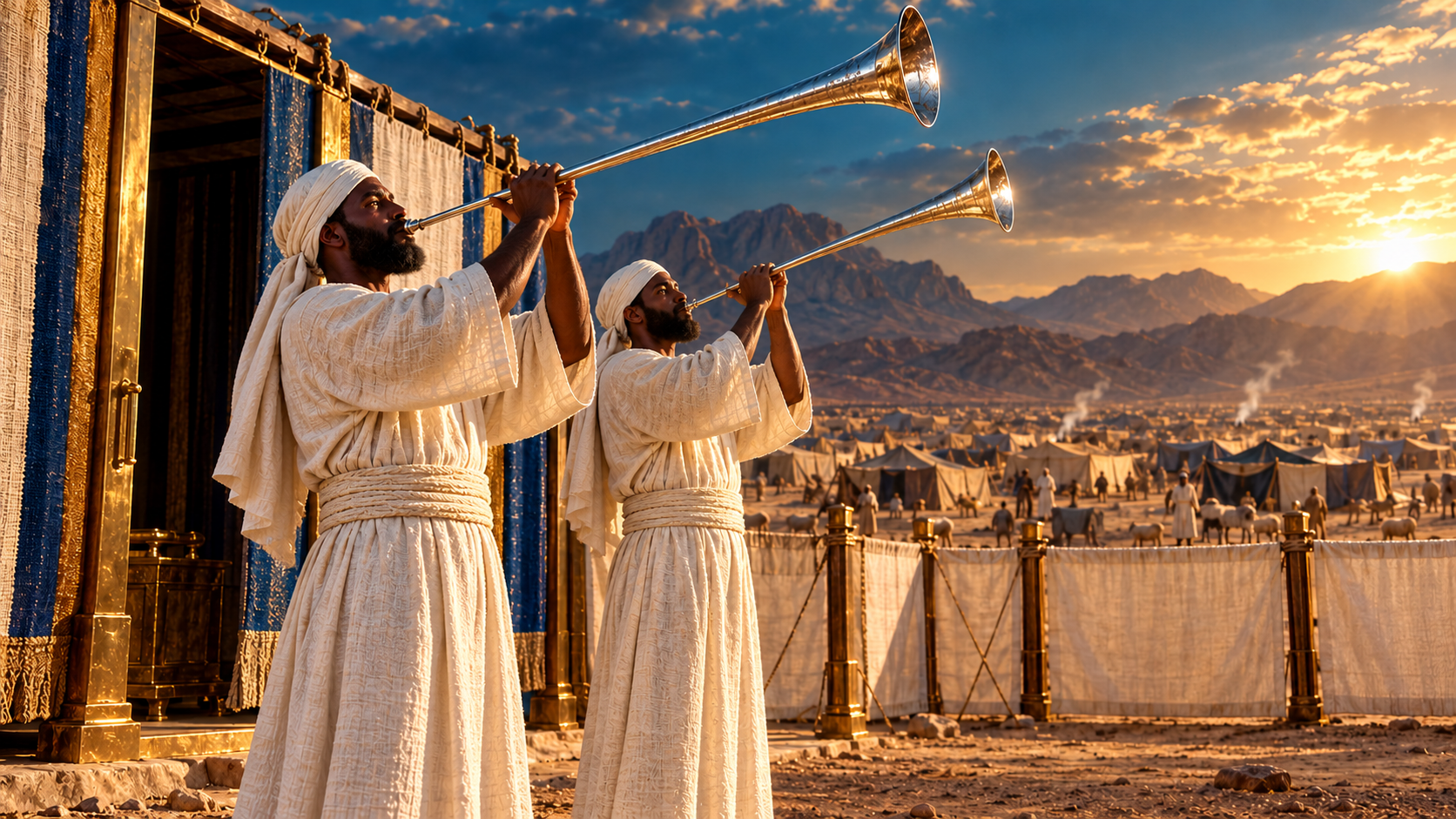
What Were the Silver Trumpets Used For?
Summoning the Assembly
Blowing both silver trumpets called the whole community of Yasharal (Israel) to the entrance of the Tabernacle; blowing a single trumpet called only the leaders or tribal heads.
Signaling Camp Movements
Specific alarm blasts (teruah) directed different sections of the Yasharalite (Israelite) camp (such as the eastern and southern divisions) when it was time to pack up and journey forward in the wilderness.
Wartime Alarms
Sounded when going to war against an opposing enemy, acting as a call for Yahuah to remember and deliver Yasharal (Israel).
Religious Festivals and Sacrifices
Blown over daily burnt offerings, shalum (peace) offerings, solemn assemblies, and the beginnings of months to serve as a memorial before Yahuah.
Coronations and Temple Worship
Used by priests during royal accessions (like Yoash) and grand liturgical celebrations in the Yarushalym (Jerusalem) Temple.
The Silver Trumpets in Scripture
- Numbers 10:2–10: Yahuah commands Musha (Moses) to make two hammered silver trumpets for assembling the community, directing the moving of the camps, sounding war alarms, and playing a memorial during festivals and burnt offerings. Only the sons of Aaron (the priests) were permitted to blow them.
- Numbers 31:6: Musha (Moses) sends Phinehas the priest to war with the Qadush (holy) instruments and the silver trumpets in his hand to sound the alarm against Midian.
- 2 Kings 11:14 (and 2 Chronicles 23:13): King Yoash stands by a pillar during his coronation as the guards and trumpeters stand beside the king, and the silver trumpets sound to proclaim him.
- 1 Chronicles 13:8 & 1 Chronicles 15:28: David and all Yasharal (Israel) bring up the ark of the covenant with rejoicing, accompanied by harps, cymbals, and the blowing of silver trumpets.
- 1 Chronicles 16:6: Priests Benaiah and Yahaziel continually blow the silver trumpets before the ark of the covenant of Yahuah.
- 1 Chronicles 16:42: Heman and Yeduthun sound the silver trumpets and cymbals with the instruments for the songs of Alahym.
- 2 Chronicles 5:12–13: At the dedication of Solomon’s Temple, 120 priests standing with silver trumpets join in unison with singers and instruments to praise Yahuah.
- 2 Chronicles 13:12: Abijah rallies Yahudah (Judah) against Yasharal (Israel), declaring that Yahuah is with them as their leader, with His priests sounding the alarm trumpets against Yeroboam.
- Ezra 3:10: When the builders lay the foundation of the second (2nd) Temple, the priests stand in their vestments with silver trumpets to praise Yahuah according to the ordinance of King David.
- Nehemiah 12:35, 12:41: Priests with silver trumpets participate in the dedication and processions along the rebuilt walls of Yarushalym (Jerusalem).
The Hebrew word Teruah denotes a Shout, an Alarm, a Blast. The Memorial is not merely a recollection of the past but a present reality that stirs the hearer to action.
03The Command Established
Numbers 29:1–6
“On the first (1st) day of the seventh (7th) month, you shall have a Qudesh (holy) gathering (convocation). You shall not do any ordinary work. It is a day of sounding for you, and you shall offer a burnt offering, for a pleasing aroma to Yahuah: one (1) bull from the herd, one (1) ram, seven (7) male lambs a year old without blemish; also their grain offering of fine flour mixed with oil, three (3) tenths of an ephah for the bull, two (2) tenths for the ram, and one (1) tenth for each of the seven (7) lambs; with one (1) male goat for a sin offering, to make atonement for you, besides the burnt offering of the new moon and its grain offering, and the regular burnt offering and its grain offering, and their drink offerings, according to their rule, for a pleasing aroma, an offering made by fire to Yahuah.”
“First (1st) day of the seventh (7th) month” The seventh (7th) month holds weight throughout Scripture. It is the month of completion of the covenant. The spring feasts, Pesach (Passover), Unleavened Bread, Firstfruits, Shavuot, found their fulfillment in Yahusha’s first (1st) coming. The fall feasts, Yom Teruah, Yom Kippur, Sukkot point forward to His return and the establishment of His reign.
The Spring Feasts
- Pesach (Passover)
- Unleavened Bread
- Firstfruits
- Shavuot
Yahusha’s first (1st) coming
The Fall Feasts
- Yom Teruah
- Yom Kippur
- Sukkot
His return and the establishment of His reign
“Blow the Trumpets” Numbers 29:1 does not name the instrument. The silver trumpets were commanded in Numbers 10:1–10 for assembling the congregation and for Qadush (holy) days, and the shofar is sounded at the new moon (Psalm 81:3).
Numbers 10:1–10
Yahuah spoke to Musha (Moses), saying, 2“Make two (2) silver trumpets (2689. Chatsotsrah, trumpets, trumpeters, trumpet). Of hammered work you shall make them, and you shall use them for summoning the congregation and for breaking camp. 3And when both are blown, all the congregation shall gather themselves to you at the entrance of the tent of meeting. 4But if they blow only one (1), then the chiefs, the heads of the tribes of Yasharal (Israel), shall gather themselves with you. 5When you blow an alarm, the camps that are on the east side shall set out. 6And when you blow an alarm the second (2nd) time, the camps that are on the south side shall set out. An alarm is to be blown whenever they are to set out. 7But when the assembly is to be gathered together, you shall blow a long blast, but you shall not sound an alarm. 8And the sons of Aaron, the priests, shall blow the trumpets (2689. Chatsotsrah trumpets, trumpeters, trumpet). The trumpets (2689. Chatsotsrah trumpets, trumpeters, trumpet) shall be to you for a perpetual statute throughout your generations. 9And when you go to war in your land against the adversary who oppresses you, then you shall sound an alarm with the trumpets (2689. Chatsotsrah trumpets, trumpeters, trumpet), that you may be remembered before Yahuah your Alahym, and you shall be saved from your enemies. 10On the day of your gladness also, and at your appointed feasts and at the beginnings of your months, you shall blow the trumpets (2689. Chatsotsrah trumpets, trumpeters, trumpet) over your burnt offerings and over the sacrifices of your peace offerings. They shall be a reminder of you before your Alahym: I am Yahuah your Alahym.”
The trumpet is used throughout Scripture for alarm and gathering. The point is the sound itself, a piercing call that cannot be ignored.
04What Is Being Remembered?
“A memorial” What does Yahuah remember? And what are we commanded to remember?
Yahuah’s Covenant
Exodus 28:12
“And you shall set the two (2) stones on the shoulder pieces of the ephod, as stones of remembrance for the sons of Yasharal (Israel). And Aaron shall bear their names before Yahuah on his two (2) shoulders for remembrance.”
The stones on the high priest’s shoulders were a memorial before Yahuah, a calling to mind of the covenant people. In the same way, Yom Teruah is a memorial before Yahuah of His covenant with His people.
Leviticus 24:7
“And you shall put pure frankincense on each pile, that it may go with the bread as a memorial portion, an offering made by fire to Yahuah.”
The bread of the Presence carried frankincense as a memorial, a pleasing aroma before Yahuah. The trumpet blasts of Yom Teruah ascend as a sound of remembrance before Him.
05The Blowing of the Shofar
Psalm 81:3
“Blow the Shofar (7782. Ram’s Horn) at the new moon, at the full moon, on our feast day.”
The shofar is sounded at the new moon, the first (1st) day of the month. Yom Teruah falls on the new moon of the seventh (7th) month.
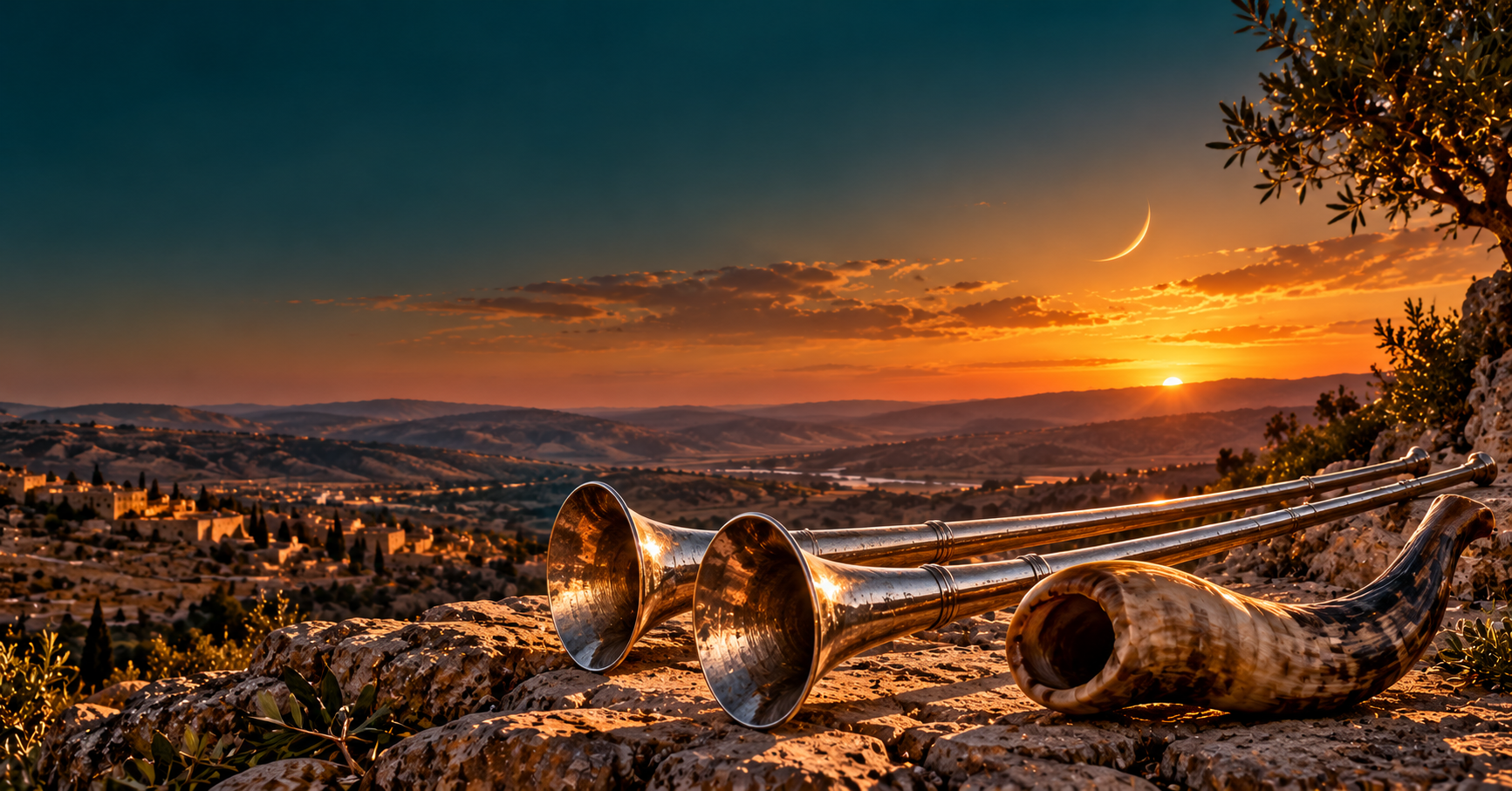
𐤇𐤑𐤑𐤓𐤄
חֲצֹצְרָה
Chatsotsrah · H2689
חֲצֹצְרָה
Chatsotsrah · H2689
The Silver Trumpet
They were forged from hammered silver and blown exclusively by the Aaronic priests.
𐤔𐤅𐤐𐤓
שׁוֹפָר
Shofar · H7782
שׁוֹפָר
Shofar · H7782
The Shofar
A curved horn, traditionally from a ram used as a call to repentance, to commemorate the covenant at Mount Sinai, and as an alarm or battle cry.
Psalm 47:5–8
“Yahuah has gone up with a shout (8643. Teruah Shout, blast, alarm), Yahuah with the sound of Shofar (7782. Ram’s Horn). Sing praises to Yahuah, sing praises! Sing praises to our King, sing praises! For Yahuah is the King of all the earth; sing praises with a psalm!”
The trumpet (shofar) blast is associated with the Kingship of Yahuah. On Yom Teruah, the blast proclaims that Yahuah reigns. This is not a tradition of man, it is drawn from the Psalms themselves.
06The Shofars and Trumpets Throughout Scripture
- SinaiExodus 19
- YerichoJoshua 6
- The Exiles GatheredIsaiah 27
- The King ReturnsMatthew 24
- The Last Trumpet1 Corinthians 15
- The Seventh TrumpetRevelation 11
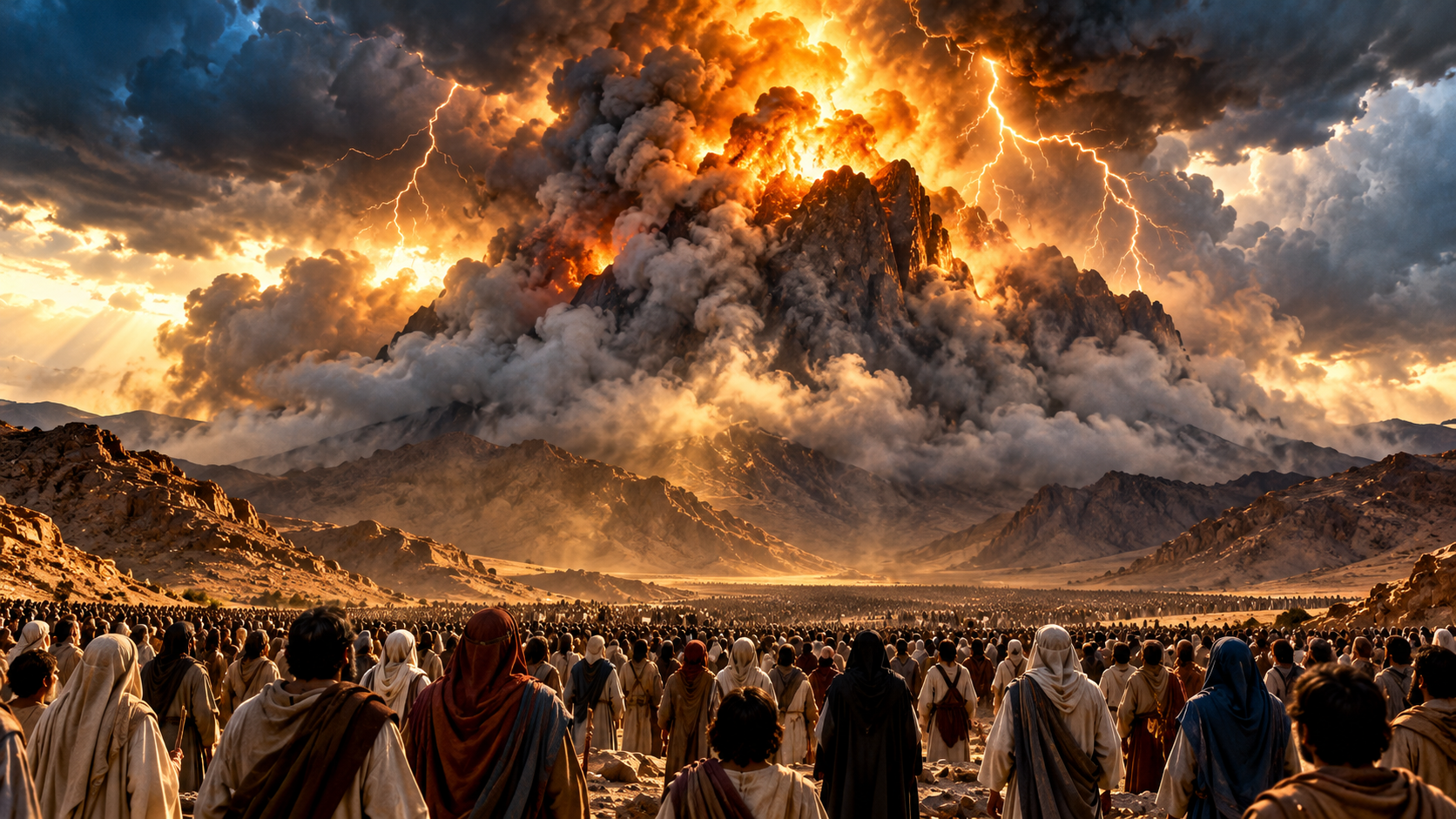
The Shofar at Sinai
Exodus 19:16–19
“On the morning of the third (3rd) day there was thunder and lightning and a thick cloud on the mountain and a very loud Shofar (7782. Ram’s Horn) blast, so that all the people in the camp trembled. Then Musha brought the people out of the camp to meet Yahuah, and they took their stand at the foot of the mountain. And Mount Sinai was wrapped in smoke because Yahuah had descended on it in fire. The smoke went up like the smoke of a kiln, and the whole mountain trembled greatly. And as the sound of the trumpet grew louder and louder, Musha spoke, and Yahuah answered him in thunder.”
The Shofar (7782. Ram’s Horn) announced the descent of Yahuah. His presence came with the blast. On Yom Teruah, the trumpets proclaim that Yahuah is Alahym and that His presence is among His people.
The Shofar at Yericho
Joshua 6:20
“So the people shouted, and the shofar (7782. Ram’s Horn) were blown. As soon as the people heard the sound of the shofar (7782. Ram’s Horn), the people shouted a great shout, and the wall fell down flat, so that the people went up into the city, every man straight before him, and they captured the city.”
The teruah, the shout, accompanied the shofar blast, and Yahuah delivered the city into Yasharal (Israel)’s hand. The shout of Amunah (faith), joined with the shofar sound, brings down strongholds.
The Prophetic Shofar
The Gathering of the Exiles
Isaiah 27:13
“And in that day a great shofar (7782. Ram’s Horn) will be blown, and those who were lost in the land of Assyria and those who were driven out to the land of Mytsrym (Egypt) will come and worship Yahuah on the Qudesh (holy) mountain at Yarushalym (Jerusalem).”
The great shofar (7782. Ram’s Horn) is linked to the regathering of Yahuah’s scattered people. Yom Teruah foreshadows this ingathering.
The Trumpet of the Return of the King
Matthew 24:30–31
“Then will appear in heaven the sign of the Son of Man, and then all the tribes of the earth will mourn, and they will see the Son of Man coming on the clouds of Shamym (heaven) with power and great glory. And he will send out his malakym (angels) with a loud Trumpet (4536. salpigx) call, and they will gather his elect from the four (4) winds, from one (1) end of Shamym (heaven) to the other.”
Yahusha Himself spoke of a trumpet call at His return. The Malakym (angels) are sent with a loud trumpet to gather the elect.
σάλπιγξ
salpigx
Strong’s G4536
Trumpet
salpigx
Strong’s G4536
Trumpet
1 Thessalonians 4:16–17
“For Yahusha Himself will descend from Shamym (heaven) with a cry of command, with the voice of an archangel, and with the trumpet (4536. salpigx) of Alahym. And the dead in Mashyach will rise first (1st). Then we who are alive, who are left, will be caught up together with them in the clouds to meet Yahusha in the air, and so we will always be with Him.”
The trumpet of Yahuah is the signal of resurrection and gathering. The dead in Mashyach rise first (1st), then the living are caught up together with them.
The Last Trumpet
1 Corinthians 15:51–52
“Behold! I tell you a mystery. We shall not all sleep, but we shall all be changed, in a moment, in the twinkling of an eye, at the last trumpet. For the trumpet (4536. salpigx) will sound, and the dead will be raised imperishable, and we shall be changed.”
The “last trumpet” is the climax of Yahuah’s redemptive plan. At that sound, corruption puts on incorruption. Mortality is swallowed up by life.
07The Day and the Hour
Matthew 24:36
“But concerning that day and hour no one knows, not even the Malakym (angels) of Shamym (heaven), nor the Son, but the Father only.”
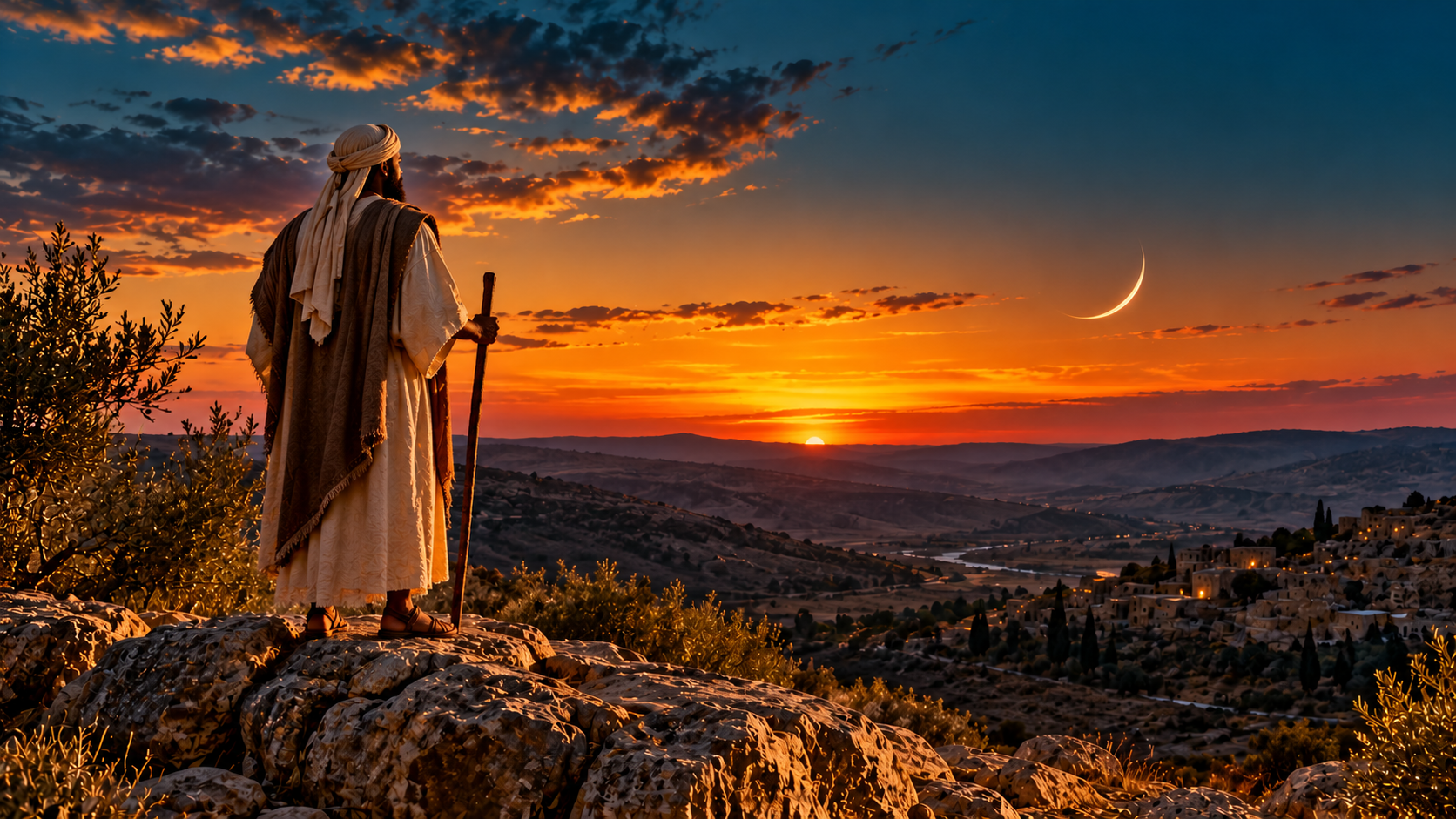
Yom Teruah is the only feast that begins on a new moon, the first sliver of the crescent must be observed in the sky. The exact day could not be predetermined by calculation alone. It had to be watched for. Many hear an echo of this in Yahusha’s words that no one knows the day or the hour.
Revelation 22:12
“Behold, I am coming soon, bringing my recompense with me, to repay each one for what he has done.”
Let the trumpet (shofar) blast awaken you. Let it stir you to watchfulness, to repentance, to hope. Let it move you to proclaim with your life that Yahuah reigns.
Psalm 89:15
“Baruk (Blessed) are the people who know the festival shout, who walk, O Yahuah, in the light of your face.”
1110 Days Between Yom Teruah and Yom Kippur
Day 1
Yom Teruah
The trumpet sounds
Yom Teruah
The trumpet sounds
Day 10
Yom Kippur
The Day of Atonement
Yom Kippur
The Day of Atonement
The ten (10) days are not commanded. They are an invitation. They are the space Yahuah has provided between the warning and the atonement. What we do with that space reveals the condition of our hearts
The pattern of Scripture is clear:
- 1
Yahuah warns before He judges. The trumpet sounds.
- 2
Yahuah provides time for response. The ten (10) days.
- 3
Yahuah calls for repentance. Turn and live.
- 4
Yahuah responds to the humble heart. He relents, He forgives, He atones.
The ten (10) days are not a means of earning atonement. They are the response of a heart that recognizes the atonement is near and desires to be ready.
1 John 3:3
And everyone who thus hopes in Him purifies himself as He is pure.
2 Corinthians 7:1
Since we have these promises, beloved, let us cleanse ourselves from every defilement of body and spirit, bringing holiness to completion in the fear of Alahym.
The hope of atonement produces purification. Not to earn it, but because it is coming. The trumpet has sounded. Yom Kippur (The Day of Atonement) is coming.
“Let us test and examine our ways, and return to Yahuah!”
Lamentations 3:40
Watch & Listen
Full Message & Open Discussion
Download the Full Teaching Notes
Receive Elder Rick’s complete written notes for “Yom Teruah: A Memorial of Blowing” as a free PDF—including every Scripture reference, the silver trumpet passages, and the Hebrew and Greek word notes. Available in English and Español.